All Consulting courses

The Web Designer’s Playbook

Imperium Academy VIP

PDF Method 2.0

Simple Business School

One Big Idea Masterclass

Fafo Method

Consulting Mastery 2.0
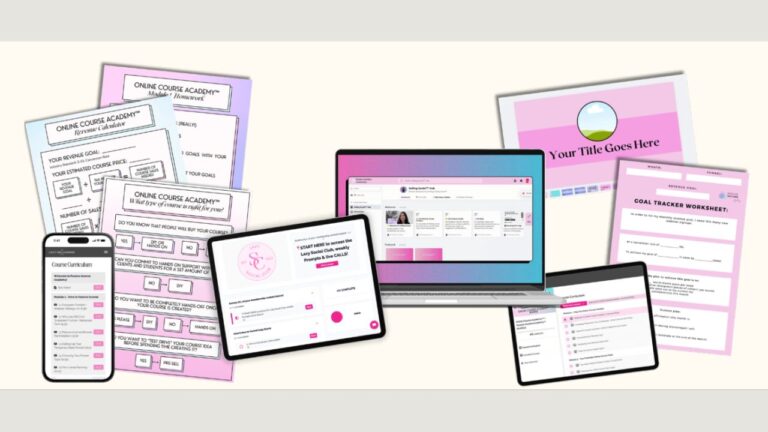
Lazy Millionaire Method
Learn more about Consulting
Consulting is a professional practice centered on analyzing problems, providing expert advice, and delivering structured recommendations to improve organizational performance. It involves applying analytical frameworks, industry knowledge, and strategic thinking to support decision-making across business and operational contexts.
Frequently asked questions
What skills do learners develop in consulting courses?
Consulting courses help learners build structured problem-solving, analytical reasoning, and strategic thinking skills. Students learn how to break down complex issues, evaluate data, and develop clear recommendations that address business challenges effectively.
How do consulting courses teach real-world problem solving?
Many consulting courses rely on case studies, practical exercises, and simulated business scenarios. Learners practice analyzing real-world problems, applying consulting frameworks, and presenting solutions in formats commonly used by professional consultants.
Are consulting courses suitable for beginners?
Yes, consulting courses often begin with foundational concepts such as logical structuring and basic frameworks. They are designed to guide beginners gradually while still offering depth for learners with prior business or analytical experience.
What types of frameworks are commonly taught in consulting courses?
Consulting courses typically introduce problem-structuring frameworks, market and competitive analysis tools, financial assessment methods, and operational improvement models. Learners gain experience applying these frameworks across different business contexts.
How can consulting courses support long-term career development?
Consulting courses help learners prepare for roles in consulting, management, strategy, and leadership. The skills developed are transferable across industries and support better decision-making, communication, and problem-solving in professional environments.